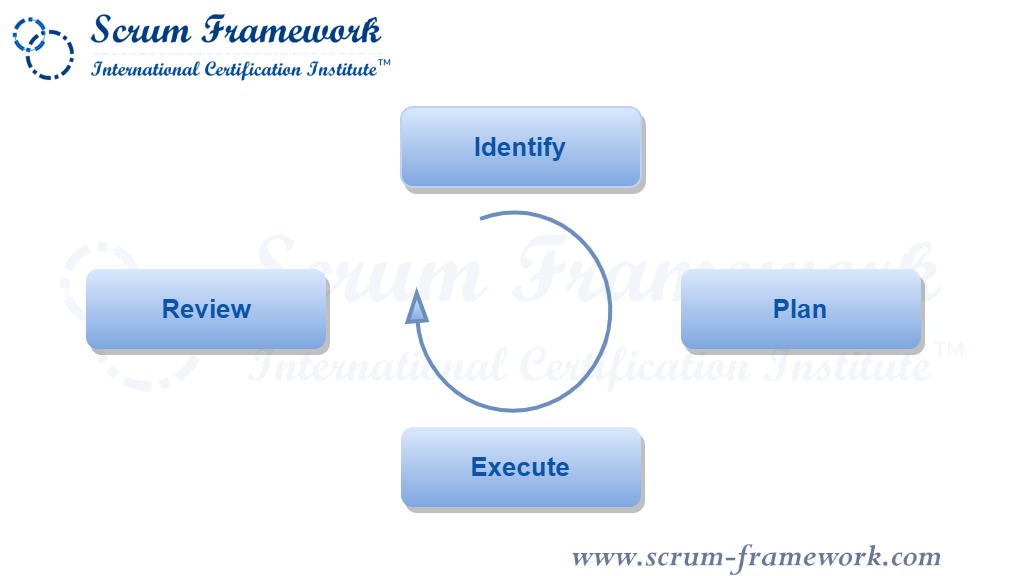
Scrum supports a culture of continuous improvement through its iterative and incremental approach, emphasis on transparency and collaboration, and promotion of empirical decision-making.
Scrum supports a culture of continuous improvement in several ways:
- Iterative and incremental approach: Scrum breaks work into short iterations called sprints, allowing teams to regularly inspect their product and process. Through frequent feedback loops, teams can identify areas for improvement, make adjustments, and continuously optimize their work.
- Transparency and collaboration: Scrum promotes transparency by using artifacts like the product backlog, sprint backlog, and burndown charts. This transparency fosters open communication among team members, stakeholders, and the Scrum Master, creating an environment where feedback, knowledge sharing, and collective problem-solving are encouraged.
- Empirical decision-making: Scrum emphasizes making decisions based on actual observations and data rather than relying solely on assumptions or predictions. This empirical mindset encourages teams to experiment, learn from their experiences, and adapt their approach accordingly, leading to continuous improvement.
- Iterative and incremental approach: Scrum breaks work into short iterations called sprints, allowing teams to regularly inspect their product and process. Through frequent feedback loops, teams can identify areas for improvement, make adjustments, and continuously optimize their work.
- Transparency and collaboration: Scrum promotes transparency by using artifacts like the product backlog, sprint backlog, and burndown charts. This transparency fosters open communication among team members, stakeholders, and the Scrum Master, creating an environment where feedback, knowledge sharing, and collective problem-solving are encouraged.
- Empirical decision-making: Scrum emphasizes making decisions based on actual observations and data rather than relying solely on assumptions or predictions. This empirical mindset encourages teams to experiment, learn from their experiences, and adapt their approach accordingly, leading to continuous improvement.