
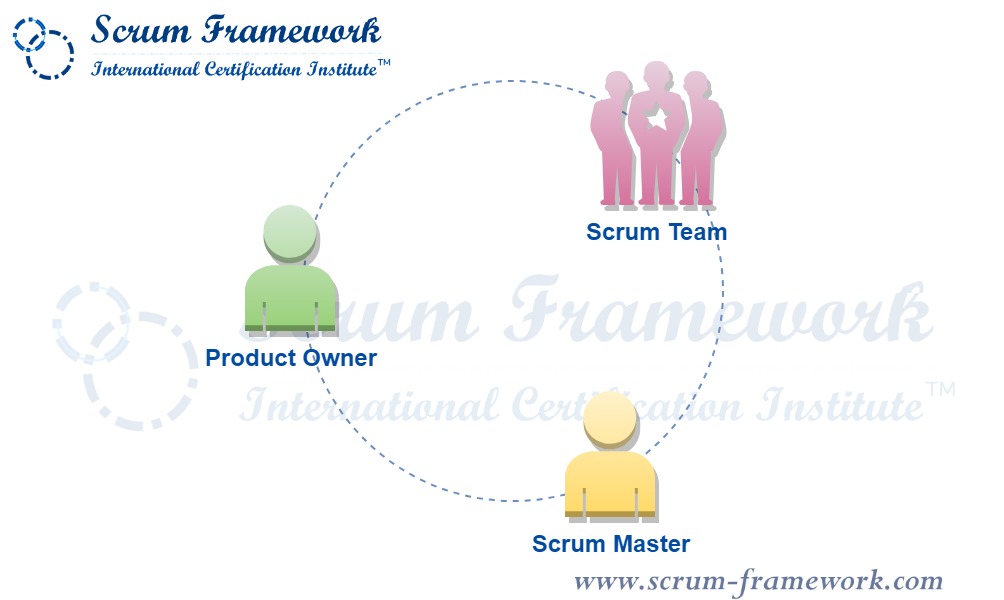
The Product Owner in Scrum is responsible for defining and prioritizing the product backlog, ensuring stakeholder alignment, and maximizing the value delivered by the team.
The Product Owner is a crucial role in Scrum, responsible for representing the interests of stakeholders and ensuring the development team delivers maximum value.
Their responsibilities include:
- Defining and prioritizing the product backlog: The Product Owner collaborates with stakeholders to identify and define the features, requirements, and user stories that make up the product backlog. They prioritize the backlog items based on business value, customer needs, and market dynamics.
- Ensuring stakeholder alignment: The Product Owner acts as a liaison between the development team and stakeholders, ensuring that there is a shared understanding of the product vision, goals, and requirements. They engage with stakeholders to gather feedback, communicate progress, and address concerns.
- Maximizing value delivery: The Product Owner is responsible for maximizing the value delivered by the development team. They make critical decisions regarding feature prioritization, scope management, and trade-offs to optimize value and meet the needs of customers and stakeholders.
Their responsibilities include:
- Defining and prioritizing the product backlog: The Product Owner collaborates with stakeholders to identify and define the features, requirements, and user stories that make up the product backlog. They prioritize the backlog items based on business value, customer needs, and market dynamics.
- Ensuring stakeholder alignment: The Product Owner acts as a liaison between the development team and stakeholders, ensuring that there is a shared understanding of the product vision, goals, and requirements. They engage with stakeholders to gather feedback, communicate progress, and address concerns.
- Maximizing value delivery: The Product Owner is responsible for maximizing the value delivered by the development team. They make critical decisions regarding feature prioritization, scope management, and trade-offs to optimize value and meet the needs of customers and stakeholders.