
Scrum Artifacts - Learn Scrum

Scrum Framework Library - Scrum Artifacts

What is the purpose of the Product Backlog in Scrum?

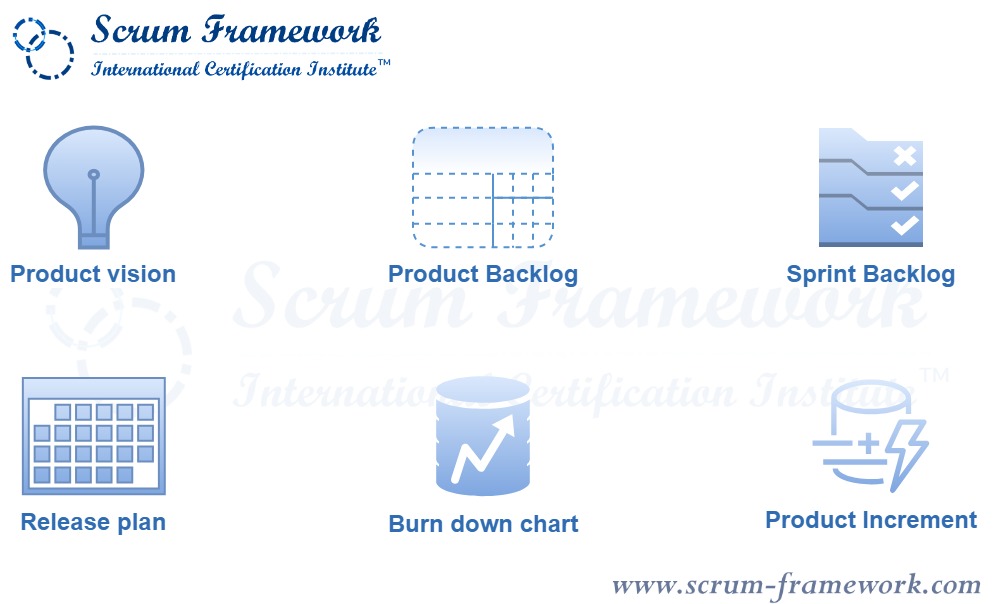
The Product Backlog is a prioritized list of features, enhancements, and fixes that serves as the single source of requirements for the product.

The Product Backlog in Scrum serves several purposes:
- It acts as an ordered list of all the work that needs to be done on the product.
- It represents the product owner's vision and goals for the product, capturing both high-level and detailed requirements.
- It provides transparency and visibility into the upcoming work, allowing stakeholders to understand the scope and progress of the product.
- It serves as a tool for prioritization, where items are ordered based on their value, importance, and dependencies.
- It evolves and adapts over time as new information and feedback are received, ensuring the product remains aligned with the stakeholders' needs.

The Product Backlog is prioritized and managed by the Product Owner, who works closely with stakeholders to determine the order of items based on value and dependencies.

The Product Backlog prioritization and management involve the following steps:
- The Product Owner collaborates with stakeholders to gather requirements and inputs.
- Items in the Product Backlog are prioritized based on factors such as business value, customer needs, market conditions, and dependencies.
- The Product Owner may use techniques like user story mapping, MoSCoW prioritization, or value-based prioritization to determine the order.
- Prioritization decisions are made collaboratively, considering input from stakeholders, market analysis, and the development team's insights.
- The Product Backlog is continuously refined and reprioritized based on feedback, changing business needs, and market dynamics.

The Sprint Backlog is a subset of items from the Product Backlog that the Development Team commits to completing during a Sprint.

The Sprint Backlog is a dynamic list of items selected from the Product Backlog for a specific Sprint. It contains the tasks, user stories, and other work items that the Development Team plans to complete within the Sprint. The Sprint Backlog is created during the Sprint Planning meeting and is owned by the Development Team.
Unlike the Product Backlog, which represents the entire scope of the product, the Sprint Backlog focuses on the work to be done during the current Sprint.

The Development Team decides what items to include in the Sprint Backlog based on their capacity, expertise, and the priority set by the Product Owner.

The Development Team decides what items to include in the Sprint Backlog through the following steps:
- The Development Team collaborates with the Product Owner to understand the priority of items in the Product Backlog.
- They consider their capacity and availability for the upcoming Sprint.
- The Development Team selects a subset of items from the Product Backlog that they believe they can complete within the Sprint.
- They break down the selected items into specific tasks or user stories, estimating the effort required for each.
- The Development Team may negotiate with the Product Owner if the selected items exceed their capacity or if there are conflicting priorities.
- The final decision on what items to include in the Sprint Backlog is made collectively by the Development Team.

The Increment is the sum of all the completed and potentially releasable product backlog items at the end of a Sprint. It is considered "Done" if it meets the team's definition of "Done".

The Increment in Scrum refers to the sum of all the completed and potentially releasable features, functionalities, and improvements that the Development Team has delivered by the end of a Sprint. It represents the progress made during the Sprint and provides value to stakeholders. The Increment is considered "Done" if it meets the agreed-upon definition of "Done," which is a set of criteria or standards that the Development Team adheres to for an item to be considered complete and ready for release. The definition of "Done" may vary from team to team but should be explicit, understood by all, and consistently applied.