
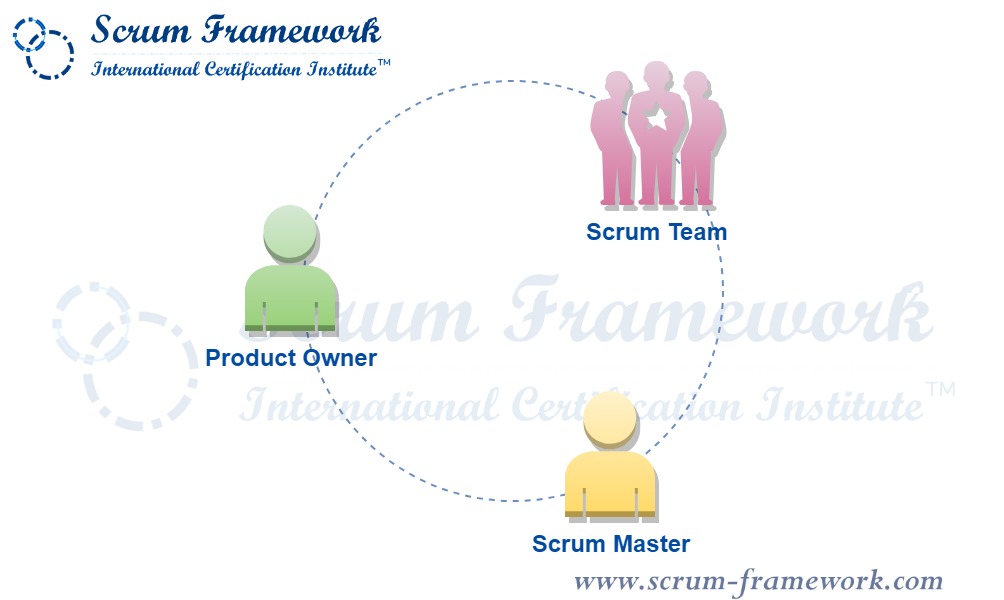
Scrum Roles - Learn Scrum

Scrum Framework Library - Scrum Roles

What are the responsibilities of the Product Owner in Scrum?

The Product Owner in Scrum is responsible for defining and prioritizing the product backlog, ensuring stakeholder alignment, and maximizing the value delivered by the team.

The Product Owner is a crucial role in Scrum, responsible for representing the interests of stakeholders and ensuring the development team delivers maximum value.
Their responsibilities include:
- Defining and prioritizing the product backlog: The Product Owner collaborates with stakeholders to identify and define the features, requirements, and user stories that make up the product backlog. They prioritize the backlog items based on business value, customer needs, and market dynamics.
- Ensuring stakeholder alignment: The Product Owner acts as a liaison between the development team and stakeholders, ensuring that there is a shared understanding of the product vision, goals, and requirements. They engage with stakeholders to gather feedback, communicate progress, and address concerns.
- Maximizing value delivery: The Product Owner is responsible for maximizing the value delivered by the development team. They make critical decisions regarding feature prioritization, scope management, and trade-offs to optimize value and meet the needs of customers and stakeholders.
The Scrum Master supports the development team in Scrum by facilitating the Scrum process, removing impediments, and fostering a collaborative and productive work environment.

The Scrum Master plays a crucial role in supporting the development team throughout the Scrum process.
Their responsibilities include:
- Facilitating the Scrum process: The Scrum Master ensures that the Scrum framework is understood and followed by the development team. They facilitate Scrum events such as Sprint Planning, Daily Scrum, Sprint Review, and Sprint Retrospective, helping to keep them focused, time-boxed, and productive.
- Removing impediments: The Scrum Master identifies and helps remove any impediments or obstacles that may hinder the progress of the development team. They work closely with the team and stakeholders to address issues, resolve conflicts, and promote a productive and collaborative work environment.
- Coaching and mentoring: The Scrum Master acts as a coach and mentor to the development team, helping them understand and apply Scrum principles and practices effectively. They provide guidance on self-organization, collaboration, and continuous improvement, fostering a culture of learning and growth.

Desirable qualities and skills for a Scrum Master include strong facilitation and communication skills, servant leadership, problem-solving abilities, and a deep understanding of Scrum principles and practices.

A successful Scrum Master exhibits the following qualities and skills:
- Strong facilitation and communication skills: The Scrum Master should be adept at facilitating Scrum events, fostering effective communication, and ensuring collaboration among team members. They should be able to create an environment where open and transparent communication thrives.
- Servant leadership: The Scrum Master should embody the principles of servant leadership, putting the needs of the development team first and supporting their growth and success. They should be able to empower the team, facilitate self-organization, and foster a culture of trust and respect.
- Problem-solving abilities: The Scrum Master should have strong problem-solving skills and be able to identify and address impediments and challenges faced by the team. They should be proactive in finding solutions and helping the team overcome obstacles that may hinder their progress.
- Deep understanding of Scrum: A Scrum Master should have a thorough understanding of Scrum principles, values, and practices. They should be able to guide the team in effectively applying Scrum, adapting it to the specific needs of the project, and ensuring adherence to the Scrum framework.

In Scrum, the Development Team collaborates closely to deliver value. They self-organize to determine how to achieve the Sprint goals, make decisions collectively, and continuously improve their work processes.

The Development Team in Scrum collaborates and self-organizes in the following ways:
- Collaborative work: The Development Team works collectively to analyze, design, develop, test, and deliver the product increment. They collaborate closely, sharing knowledge and skills, to ensure that the work is completed effectively and efficiently.
- Collective decision-making: The Development Team makes decisions collectively, including how to best accomplish the Sprint goals and which tasks to work on. They collaborate with the Product Owner to clarify requirements and priorities, and with the Scrum Master to address any impediments or challenges.
- Self-organization: The Development Team self-organizes to determine how to best organize their work, assign tasks, and meet the Sprint goals. They have the autonomy to decide how to accomplish their work, ensuring that the team members with the necessary skills and expertise are involved.
- Continuous improvement: The Development Team actively seeks opportunities for continuous improvement.

Ideally, in Scrum, each role should be performed by a dedicated individual. However, in some cases, a person may fulfill multiple roles, although it is not recommended to ensure the effectiveness of the Scrum framework.

In Scrum, it is generally recommended that each role is performed by a dedicated individual to ensure a clear division of responsibilities and maximize the benefits of the Scrum framework. This helps maintain accountability and prevent conflicts of interest.
However, in smaller teams or organizations with limited resources, it is possible for individuals to fulfill multiple roles. For example, a team member may take on the responsibilities of both a developer and a Scrum Master if the team size is small. In such cases, it is important to be mindful of potential conflicts and ensure that the dual role does not compromise the effectiveness of the Scrum process.
It is worth noting that the Product Owner role should typically be separate from the other roles to maintain a clear distinction between stakeholder needs and the development team's work. This separation helps ensure that the Product Owner can focus on maximizing value and representing stakeholder interests without being directly involved in the day-to-day development activities.

Ready to validate your Scrum knowledge?

100% online exams · 5 attempts · lifetime certificate · no mandatory training